Entry · Ref BOA1TPBU
Mint cooling in nicotine pouches: where the sensation comes from
- Posted
- 2026-11-27
- Last amended
- 2026-11-27
- Account
- @freshpouchjournal
Mint is one of the most recognisable flavour directions in flavoured nicotine pouches. Alongside the taste, many adult users notice a cooling feeling that can seem sharp, smooth, sweet or lingering, depending on the product. Understanding that sensation makes it easier to choose a pouch that suits personal preference and to judge why two mint pouches can feel quite different.
The cooling effect is not the same thing as temperature. A mint pouch is not necessarily cold to the touch, and the feeling does not come from the pouch actively lowering the temperature of the mouth. It is a sensory effect created by certain flavour compounds interacting with nerve endings in the mouth and lips. That distinction matters, because the intensity of the effect is shaped by ingredients, nicotine strength, pouch design and how long the pouch is kept in place.
What people mean by a cooling sensation
When a product is described as cool, icy, fresh or frosty, the words usually point to the way the mouth feels rather than a measured drop in temperature. Some people describe it as a clean feeling on the tongue or lips. Others notice it at the side of the mouth where the pouch sits. A stronger mint product may produce a prickly or tingling edge, while a milder one may simply taste fresh.
Flavour descriptions are useful, but they are not precise instruments. One brand may use "mint" for a soft, sweet profile, while another may reserve that word for a more forceful sensation. Terms such as "ice", "cold" or "freeze" often suggest a higher perceived cooling effect, though the actual experience still varies from person to person. Adults comparing flavoured nicotine pouches should treat these labels as a guide to style, not a guarantee of exactly how a pouch will feel.
The role of menthol and related compounds
Menthol is the best known contributor to mint cooling. It occurs naturally in mint plants and can also be produced in other ways for use in flavourings. Its effect comes from the way it activates sensory receptors involved in detecting cold. The brain interprets that signal as coolness, even though the mouth has not actually been chilled.
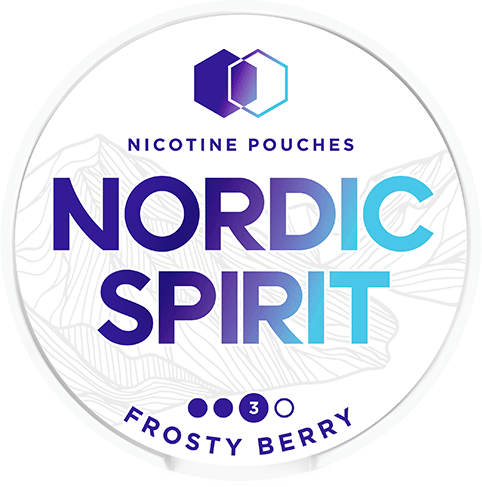
Some products use menthol alongside other cooling ingredients, including compounds that create a similar effect through different sensory pathways. These can round out the sensation or make it last longer. A pouch may taste of spearmint, peppermint or a sweeter confectionery style while still relying on menthol-like compounds for the cooling edge. The flavour and the cooling effect are linked, but they are not identical. A mint flavour can be gentle, while a product with a strong cooling finish can taste quite plain apart from that freshness.
Formulation also affects timing. Some pouches release flavour quickly and produce an immediate cooling feeling. Others build more gradually as the pouch becomes moist and the ingredients disperse. The first minutes can therefore feel different from the later part of a pouch session. This is one reason a product can seem balanced on one occasion and more intense on another, especially if it is kept in place for longer.
How the pouch changes the experience
A nicotine pouch is a small, portioned product placed in the mouth. The pouch material holds plant-based fibres, nicotine and flavouring, while limiting loose material from escaping. Once in place, moisture from the mouth begins to interact with the contents. Flavour compounds move out gradually, and the cooling sensation develops alongside the taste and nicotine release.
Pouch size, moisture level and fill material all influence that release. A more moist pouch may feel more immediate, while a drier one may take longer to develop. A slim pouch can feel less noticeable against the lip, which may change where the cooling is perceived. A larger portion may spread flavour over a wider area. None of these factors alone tells the whole story, but together they explain why the same mint flavour name can feel different across formats.
Nicotine strength also plays a part in perception. Stronger pouches can produce a more pronounced overall sensation, and some adults find that this makes the mint edge feel sharper. Others experience the opposite, with a robust tobacco or mint profile masking subtle cooling notes. For that reason, strength and flavour should be considered together rather than as separate choices. Retail ranges organised by strength and flavour, including Nic Pouch uk, reflect the way many adults narrow down products by both factors.
Why mint can feel sharp or smooth
The sharpness associated with mint is often a matter of balance. Menthol can bring a clean, almost crisp note, but when paired with sweet flavourings it may feel softer and more rounded. Peppermint styles often come across as more direct, while spearmint styles can seem greener and less aggressive. Ice or frost descriptions usually point to a product designed around the cooling finish itself rather than mint as a sweet flavour.
Individual sensitivity varies widely. Some adults enjoy a strong cooling feeling and find it helps make the pouch feel fresh. Others prefer a mild mint that stays in the background. Sensitivity can also change with the setting. A product that feels pleasant in a short session may seem overwhelming if used for longer, and a cooling flavour can be more noticeable when the mouth is dry.
It is worth separating comfort from flavour preference. A sharp cooling sensation is not automatically a sign of better quality, and a mild pouch is not necessarily weak in flavour. The right choice depends on what feels comfortable and what the adult user expects from the product. If the goal is a straightforward mint taste with a light fresh finish, an ice-forward product may be more than needed. If the goal is a pronounced cooling effect, a milder mint may feel disappointing.
Reading flavour names without guessing too much
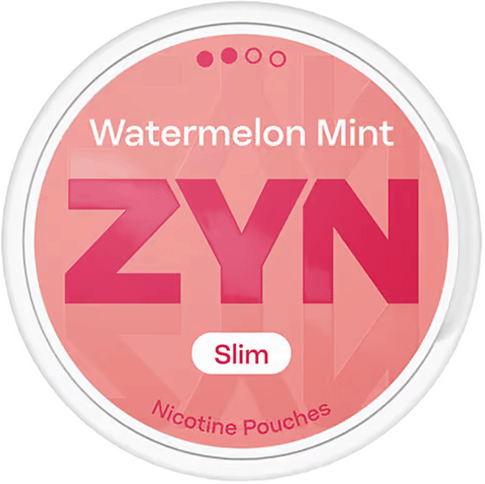
Product names and descriptions offer clues, but they leave room for interpretation. A name such as mint, mint ice, cool mint or peppermint can suggest a direction, yet the actual profile depends on the formulation. Descriptions may mention sweetness, freshness or intensity, and those words can help set expectations. The most useful approach is to compare like with like: similar strengths, similar pouch formats and similar flavour families.
Adults new to mint pouches may find it sensible to start with a moderate cooling profile before moving to a stronger one. That does not require special equipment or a complicated routine. It simply means paying attention to how a product tastes at the start, how the sensation develops and whether the finish stays comfortable. Keeping note of the flavour name and strength can make later comparisons easier, especially when several brands use similar wording.
Where a range brings together more than 30 brands, as Nic Pouch uk does, flavour names can multiply quickly. That variety is helpful for comparison, but it can also make choices look more complicated than they are. A practical filter is to decide first whether the preference is for a soft mint, a sweet mint or an ice-led profile. Strength can then be considered within that flavour choice.
What to watch for during use
Cooling should feel like a flavour sensation, not a sign that something is wrong. Discomfort, burning that feels harsh, or irritation that persists is a reason to stop using the product and reassess. A pouch that causes soreness may not suit the individual, the placement, or the flavour intensity. Swallowing pouches is not intended, and any product that breaks apart uncomfortably should be removed.
Placement can change perception. Keeping a pouch in a comfortable position against the lip or gum usually makes the experience more predictable. Moving it frequently may spread the flavour but can also increase awareness of the cooling sensation. Lips and gums differ in sensitivity, so a small adjustment can change how sharp a mint feels. If a product is too intense, a shorter session or a milder flavour may be more suitable than trying to push through the discomfort.
Freshness of the mouth also matters. Food, drinks and oral care products can alter how mint is perceived. A strong food flavour may dull subtleties, while a dry mouth may make cooling feel more pronounced. These everyday factors are part of why flavour descriptions can only go so far. They set a direction, then personal context fills in the rest.
Choosing a mint profile that fits
The main choice is between freshness as a background note and freshness as the centrepiece. A soft mint profile suits adults who want a clean taste without a strong cooling finish. A peppermint or ice style suits those who enjoy a clearer, more immediate sensation. Sweet mint sits between the two, often softening the edge while keeping the familiar mint character.
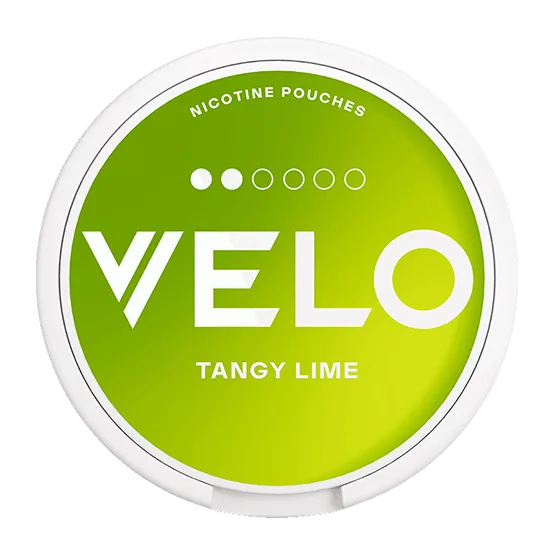
Strength adds another layer. A lower strength may make the overall experience feel lighter, though flavour intensity does not always follow nicotine strength in a simple way. A higher strength can make a pouch feel more assertive, but the cooling effect still depends on the flavour formulation and pouch design. Comparing products within the same strength band can make flavour differences easier to judge.
There is no single best level of cooling. The useful question is whether the sensation feels pleasant, controlled and appropriate for the occasion. Mint can be refreshing without being harsh, and it can be bold without being uncomfortable. Once the source of the cooling feeling is understood, the flavour names become easier to interpret and the choices feel less arbitrary.
For adults exploring flavoured nicotine pouches, the cooling effect is best treated as one part of the overall profile. Taste, strength, pouch format, session length and personal sensitivity all shape the final impression. Mint is popular because it offers a clear sensory identity, but that same clarity makes differences between products easy to notice. A calm comparison of flavour style and strength is usually more useful than chasing the strongest cooling claim.